Caring For Your Human Hair Type
Human hair wigs come in different lengths, colors and textures, and each type has its own needs. So before you start caring for your wig, it helps to know what you have.
The shape of the hair matters more than you might think. Straight, wavy and curly hair do not move or rub against each other in quite the same way, which can affect how easily the hair tangles and how much friction it experiences when you brush, comb or style it.
Once you understand your human hair type, it becomes much easier to care for it properly
Two terms tell you a lot about how your wig will behave:
Virgin hair: Hair that was never dyed or chemically treated.
Remy hair: Hair with the cuticles (the outer layer of each strand) lined up in one direction. It may be dyed, so it is not always virgin.
Hair that is not Remy has cuticles that run in different directions, which makes it more likely to tangle. If your wig is not Remy, plan to detangle it more often.
One Rule for Every Texture: A wig has no source of natural oil. Because of this, human hair wigs dry out faster than growing hair. All the moisture must come from the products you choose. Keep this in mind for every texture.
Straight Human Hair

Straight human hair is sleek and tangle less than curly ones. They are easy to detangle as there are little to no bends for individual strands to catch against one another. In styling, ensure to use lightweight products because heavy products can weigh them down.
Washing Straight Human Hair
When washing a straight wig, avoid aggressively rubbing the lengths together, you see shampooing already causes friction and repeated washing and mechanical rubbing can contribute to surface wear over time especially when the human hair is already dry.
Conditioning Straight Human Hair
Conditioner helps reduce friction between the strands, making straight hair easier to comb and less likely to catch and tangle. When applying conditioner to straight human hair, try not to be heavy handed as this can weigh the strands down, making them look flat and greasy. If the wig has been bleached, colored or regularly styled with heat, it may need more conditioning than a virgin straight wig.
Wavy Human Hair
Wavy human hair sits somewhere between straight and curly. It has a natural bend and movement, but without the tighter curls or coils of more textured hair.

Washing Wavy Human Hair
Wash gently.
Wavy hair has bends along the length, so the strands don't lie as smoothly against one another as straight hair does. Those bends can create more points of contact and friction, which makes wavy hair more prone to tangling and frizz.
When washing, avoid rubbing the lengths together. Let the shampoo cleanse the hair without scrubbing or bunching it up.
Conditioning Wavy Human Hair
After washing, apply conditioner and gently work it through the hair. Avoid twisting or aggressively squeezing the wig because this can encourage unnecessary tangling and disturb the natural wave.
Once the wig is clean and conditioned, gently arrange the waves while the hair is damp.
There is often no need to repeatedly brush a wavy wig while it dries. Excessive manipulation can separate the natural wave and create frizz, leaving the hair looking fluffy instead of giving you the soft, defined movement.
If you need to restyle with heat, keep the temperature controlled and avoid going over the same section repeatedly. Too much heat can damage the hair's surface and structure, especially with repeated use.
Curly Human Hair
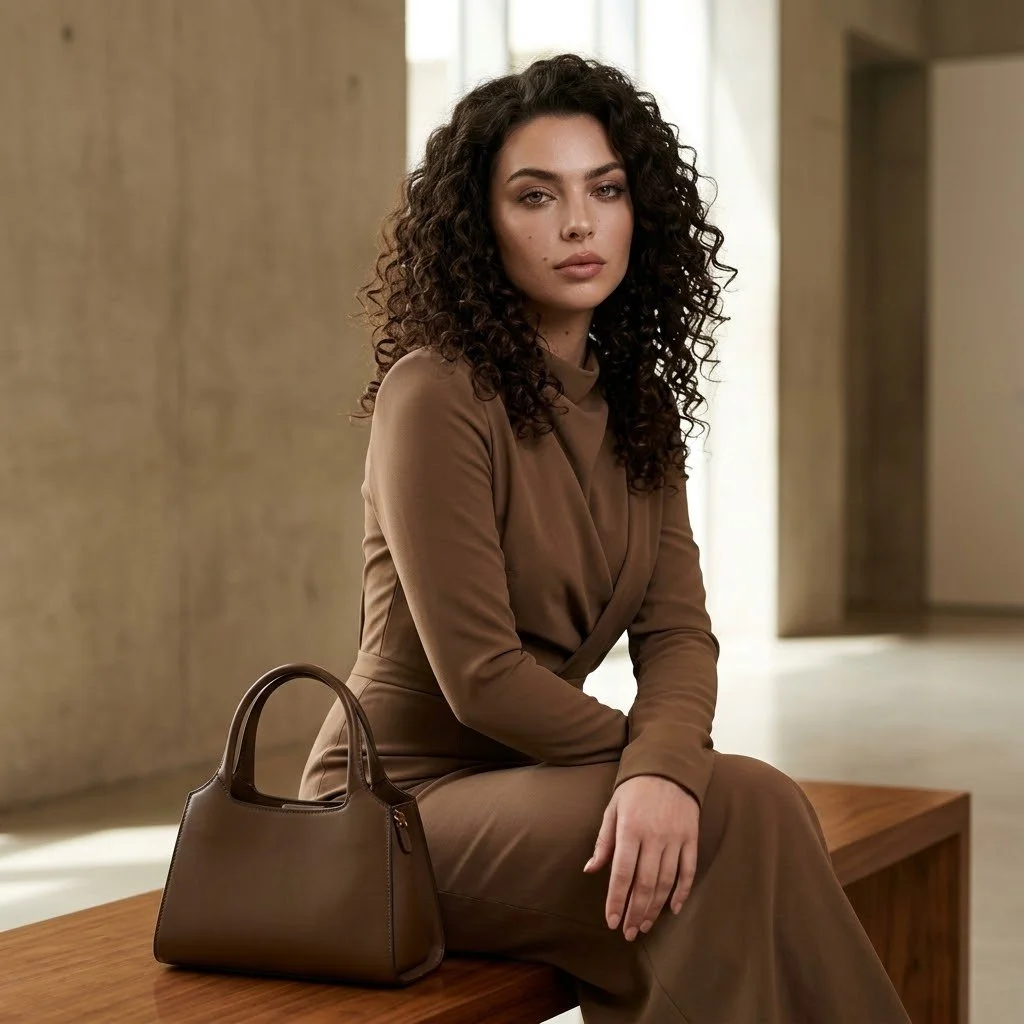
Washing Curly Human Hair
For a curly wig, one of the biggest priorities is reducing unnecessary friction during detangling.
Detangle carefully
Do not wait until a curly wig is severely tangled before dealing with it.
Curly human hair has lots of bends and curves, so the strands can catch and tangle more easily than straight hair. Rubbing those curls together while washing creates extra friction and can leave the hair frizzy and tangled.
When you apply shampoo gently smooth it down the lengths with your hands, following the direction of the curls. Avoid scrubbing, twisting or bunching the hair together.
Think of it as washing through the curls rather than rubbing against them.
Rinse in the same direction, The less you disturb the curl pattern during washing, the easier it is to keep those curls defined and smooth.
Conditioning Curly Human Hair
Curly hair tends to be drier and can tangle more easily because of all the bends in the strands. So when it comes to conditioner, curly hair usually needs more than a light coating on the ends.
While the conditioner is in, gently work through any tangles with your fingers, starting at the ends and moving upward. If you need to use a comb, use a wide-tooth comb and work from the ends upward.
This is one of the best times to detangle because conditioner gives the hair more slip. It reduces friction between the strands, so there is less pulling and catching as you work through the curls.
Preserve the curl pattern, once the curls are formed, constant brushing is usually counterproductive. If you repeatedly brush a curly wig, you are essentially pulling apart the structure that gives the wig its curl
For an older or heat-damaged curly wig, you can follow this with a deep conditioning treatment. It won't reverse permanent heat damage, but it can leave the hair softer, smoother and easier to manage before you reshape the curls.
Coily Human Hair

Washing Coily Human Hair
Tightly curled and coily human hair needs a little extra care. The tighter curls can tangle more easily, so take your time when washing, detangling and styling. With coily human hair, it is best to work in smaller sections.
Start by gently detangling the wig with your fingers, working from the ends upward. Then wet the hair thoroughly with cool or lukewarm water.
Apply a moisturizing shampoo and gently smooth it down each section in the direction the curls naturally fall. Avoid scrubbing, rubbing the lengths together or twisting the hair into a ball. These movements create friction between the strands and can leave tightly curled hair more tangled and frizzy.
Rinse each section in the same direction.
Conditioning Coily Human Hair
Apply conditioner generously through the lengths and ends. Coily human hair benefits from plenty of slip, which makes it easier to separate the strands without pulling.
While the conditioner is still in the hair, gently separate the coils with your fingers, starting at the ends and working upward. If you need a comb, use a wide-tooth comb and work through one small section at a time. Do this gently.
After rinsing, don't wring or twist the wig to remove excess water. Gently press or blot it with a towel instead.
Arrange the coils with your fingers, then leave the wig to air-dry. Try not to keep brushing or handling it while it dries. The less you disturb the coils, the easier it is to keep them defined and reduce frizz.
Straight, wavy and coily human hair all have different needs, once you understand each hairs individual needs with good care, a human hair wig can last a long time